You might not give your shower head much thought until your water bill climbs or your pressure drops. If you’re wondering whether switching to a low-flow model could make your plumbing more efficient without compromising the quality of your showering experience, rest assured. Low-flow shower heads have come a long way in both design and comfort.
At Plumbtree Plumbing & Rooter, located in San Jose, CA, we work with homeowners who want to reduce water waste. Let’s dig into whether or not it’s really worth it to get low-flow plumbing fixture installation, like new shower heads.
Traditional Shower Heads Waste Water
In older bathrooms, traditional showerhead models can use five gallons per minute or more. That adds up fast, especially with multiple people under one roof. Keep in mind, every gallon needs to be heated, which means your energy bill increases in tandem with your water usage. Some models even spray wide streams that bounce off your body and hit the floor, wasting water you never feel. If your shower sounds like a waterfall but leaves you chilly, it’s probably doing more harm than good.
How Low-Flow Shower Heads Work
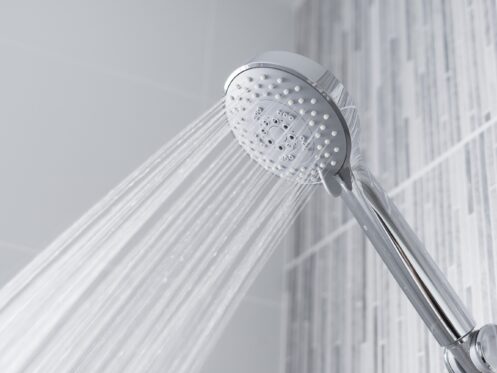
A low-flow shower head limits water usage by pushing it through smaller or differently shaped openings. Pressure-compensating valves or air-mixing features keep the stream strong even when the flow rate is lower. Some designs even make the water feel warmer because less air escapes during the spray.
What You Can Expect to Save Each Month
If your current shower head uses over 2.5 gallons per minute and you shower daily, switching to a low-flow model could cut your water use in half. That doesn’t just mean less water going down the drain. Your water heater doesn’t need to refill and reheat as often, so it gets a break too. That reduction helps cut your gas or electricity bill, depending on your setup. It might not feel huge in one month, but you’ll see the shift when you compare seasons or look at your annual totals.
When Your Plumbing Benefits From Less Strain
Older pipes don’t always handle pressure swings or high flow rates well. If you live in a house with aging plumbing, you might have already seen signs like noisy pipes or slow drains. Using a high-flow shower fixture every day adds more water into the system at once, which can increase the risk of pinhole leaks or joint stress. Over time, those weak points show up in walls or ceilings where you least expect them.
A lower flow rate from your shower head creates less pressure on the interior system and gives your drains more time to clear. This doesn’t just protect your fixtures. It helps you avoid the kind of silent damage that leads to sudden repairs later. The longer you can avoid disturbing the original plumbing or adding stress to a repaired section, the better. If you’re using a septic system, slower water flow helps prevent overload by giving the tank and drain field more time to process waste.
How Low-Flow Shower Heads Help the Environment
Every time you take a shower, clean water leaves your home and enters the wastewater system. With a traditional shower head, that adds up fast. Low-flow models help reduce the total water sent down the drain, which means treatment plants have less to clean. That saves energy at the city level, not just inside your home.
Cutting back on hot water use also lowers your home’s carbon footprint. Your water heater doesn’t have to work as hard, which means it burns less gas or uses less electricity. That energy savings might feel small per shower, but it adds up when you consider daily use over months and years.
Water conservation also matters in areas that face drought or rely on a limited supply of water. By switching to a low-flow shower head, you’re using only what you need without wasting the excess. It’s a simple change that supports a larger goal: keeping clean water available for your home.
How to Choose a Low-Flow Shower Head
Not all low-flow shower heads feel the same, and the shape of your shower or water source pressure can affect performance. If your home already has slightly lower water pressure, you’ll want to pick a model designed to optimize spray pattern rather than just restrict volume. Some units focus on a concentrated stream, while others spread water across more nozzles to mimic a rainfall effect.
You’ll also see models that offer settings so you can make changes according to your preferences. The key is to pick one that meets your expectations. If you like a strong, focused stream on your back, a wide fan spray might frustrate you. It helps to test a few options or read reviews from users who describe their home pressure and experience. Focus on how performance under the conditions you already live with. You want a swap that makes things easier, not more complicated.
When to Consider Other Upgrades Alongside the Switch
If your bathroom still uses original parts or older plumbing fixtures, changing the shower head could be the start of a bigger improvement. You might notice your faucet drips or your toilet leaks. All those signs suggest your plumbing system may be wasting water. Switching to a more efficient shower head might draw your attention to these problems, and fixing them helps you make the most of professional assistance.
What to Expect From a Professional Installation
A professional plumber can handle the upgrade to a low-flow shower head without any complications or issues. Sometimes the threads on older fixtures are worn or rusty, or the shutoff valves haven’t been touched in years. A plumber can check the connection, inspect the stem, and make sure the water turns back on without leaks.
They’ll also test the pressure to see if the new model functions correctly. The installation itself usually takes less than an hour, but the peace of mind lasts much longer. You’ll know that it’s sealed, positioned correctly, and built to last without wiggling loose every time someone adjusts it.
You should reach out to our team if you notice any issues with your low flow shower fixture in the future. This includes leaks, the sound of dripping water somewhere in your wall, or wet spots forming on your walls. Prompt attention can prevent structural damage that’s expensive and extensive to address. Moisture accumulation can promote the growth of mold in your home, which can be devastating to your health and well-being. It’s best to address showerhead issues as quickly as possible.
Schedule a Plumbing Visit Today
Switching to a low-flow shower head doesn’t mean sacrificing comfort or performance. You can cut back on water use, lower your utility bills, and still enjoy a satisfying shower each day. If you’ve been considering upgrades around the house that support comfort and conservation, this is one of the simplest places to start.
Along with plumbing upgrades, Plumbtree Plumbing & Rooter also installs efficient toilets and offers full bathroom fixture replacements for homeowners looking to reduce waste without losing quality. Schedule a plumbing visit today with Plumbtree Plumbing & Rooter in San Jose today and take the first step toward smarter water use.